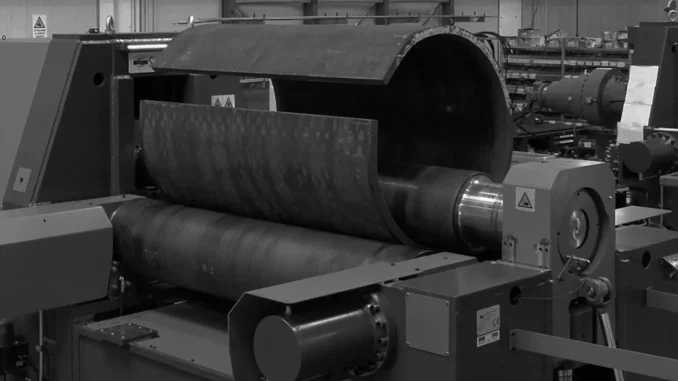
- Introduction: Why plate rolls service is strategically important
- How a plate roll machine works
- Why maintenance should never be neglected
- Real benefits of a professional service
- Types of technical interventions
- Warning signs of an imminent failure
- Preventive maintenance: an investment that pays off
- Extraordinary maintenance
- Retrofit, upgrades and new technologies
- How to choose the best technical partner
- Common mistakes to avoid
- FAQ about plate rolls service
Introduction: Why plate rolls service is strategically important
In metalworking, plate roll machines are among the most critical assets in the production line. They determine bending accuracy, repeatability, throughput and operator safety. A single breakdown can slow or stop an entire production process, generating significant costs and delays.
This is why a professional and reliable plate rolls service is not just a technical support activity but a strategic element for ensuring efficiency, continuity and long-term productivity.
How a plate roll machine works
Plate rolls are designed to bend or roll sheet metal through controlled pressure applied by rotating rolls. Depending on the configuration, they may feature 2, 3 or 4 rolls, each with specific applications for thin plates, heavy-duty materials, stainless steel, or non-ferrous metals.
Main components include:
- Motorized rolls responsible for bending and shaping the metal.
- Heavy-duty steel frame ensuring rigidity and precision.
- Hydraulic systems controlling pressure and movement.
- Electronic or CNC controls providing automation and accuracy.
The machine works by applying controlled force to gradually shape the sheet according to the required radius. Therefore, roll condition, alignment and hydraulic pressure accuracy are essential for consistent high-quality results.
Why maintenance should never be neglected
Plate roll machines work under constant mechanical and hydraulic stress. Over time, this can lead to wear, inaccuracies or unexpected failures if maintenance is postponed. Neglecting maintenance puts both production and safety at risk.
The main risks of poor maintenance include:
- longer downtime due to unexpected failures;
- loss of bending precision;
- higher energy consumption;
- premature wear of rolls and hydraulic components;
- structural damage in the long term;
- increased safety hazards for operators.
Real benefits of a professional service
A structured, high-level plate rolls service ensures machines remain in optimal condition, increasing both productivity and equipment lifespan.
Key benefits include:
- Higher uptime due to fewer unexpected breakdowns.
- Consistent bending quality and repeatable results.
- Lower operating costs through preventive actions rather than emergency repairs.
- Improved operator safety and compliance with regulations.
- Optimized energy efficiency and machine performance.
Types of technical interventions
Professional plate roll service includes multiple types of interventions, each designed to address specific mechanical, hydraulic or electronic needs.
- Emergency troubleshooting for immediate malfunctions.
- Scheduled maintenance based on periodic inspections and planned replacements.
- Roll calibration and alignment operations.
- Hydraulic system evaluation and overhaul.
- Electronic diagnostics for CNC/PLC systems.
- Correct lubrication cycles of critical components.
Warning signs of an imminent failure
Early detection of issues prevents severe damage and costly repairs. Certain symptoms clearly indicate that a plate roll machine needs immediate attention.
- Unusual noises during roll rotation.
- Abnormal vibrations or instability.
- Hydraulic oil leaks or pressure drops.
- Unexpected resistance while adjusting the rolls.
- Inaccurate bending radius or inconsistent results.
- Overheating of mechanical components.
Preventive maintenance: an investment that pays off
Preventive maintenance is the most effective long-term strategy to keep plate roll machines in top condition. Its purpose is to identify and resolve potential issues before they turn into real failures.
Typical preventive tasks include:
- periodic roll condition and eccentricity checks;
- pressure verification of the hydraulic circuits;
- energy consumption analysis;
- inspection of electronic systems;
- professional lubrication of critical components.
Companies that adopt preventive maintenance reduce unplanned downtime and extend the overall lifespan of their machines.
Extraordinary maintenance
Extraordinary maintenance is required when components are damaged, heavily worn or malfunctioning. Unlike routine maintenance, this involves more in-depth operations such as:
- replacement or grinding of worn rolls;
- complete overhaul of hydraulic units;
- rebuilding of mechanical assemblies;
- full machine recalibration;
- replacement of CNC or electrical panels.
Retrofit, upgrades and new technologies
Retrofit has become increasingly popular as a cost-effective way to modernize aging plate roll machines. It provides substantial performance improvement without the need to purchase a brand-new system.
Most common upgrade options include:
- installation of next-generation CNC control units;
- replacement of motors with high-efficiency versions;
- upgrade of sensors and safety devices;
- integration of remote monitoring systems and predictive diagnostics.
How to choose the best technical partner
The quality of plate rolls service depends heavily on the skills and reliability of the technical provider. Choosing the right partner is essential to ensure long-term machine performance.
The key selection criteria are:
- Specific experience with plate roll machines, not just general mechanics.
- Fast response time in case of emergencies.
- Multibrand expertise to handle different machine types.
- Access to certified spare parts.
- Capability to provide preventive maintenance plans.
- Transparent reporting and clear cost structure.
Common mistakes to avoid
Many companies unknowingly shorten the lifespan of their plate roll machines by making avoidable mistakes. Recognizing these errors is the first step toward efficient and safe operation.
- Postponing maintenance for too long.
- Ignoring vibrations, oil leaks or abnormal noise.
- Using the wrong lubricants or skipping lubrication cycles.
- Allowing untrained personnel to operate or inspect the machine.
- Not tracking machine parameters over time.
FAQ about plate rolls service
How often should maintenance be performed?
Most machines require a full inspection every 6–12 months, depending on workload and material type.
Is retrofitting worth the investment?
Yes. Retrofit usually costs far less than purchasing a new machine and can significantly improve performance and safety.
What are the most common failures?
Roll wear, hydraulic malfunctions, alignment issues and electronic failures are among the most frequent problems.
Can an old plate roll regain precision?
Absolutely. With professional recalibration and modern electronic upgrades, older machines can achieve precision comparable to newer models.